
How to Prevent Cotton Shrinkage in Every Wash
- Phuong Nguyen

- 4 days ago
- 7 min read
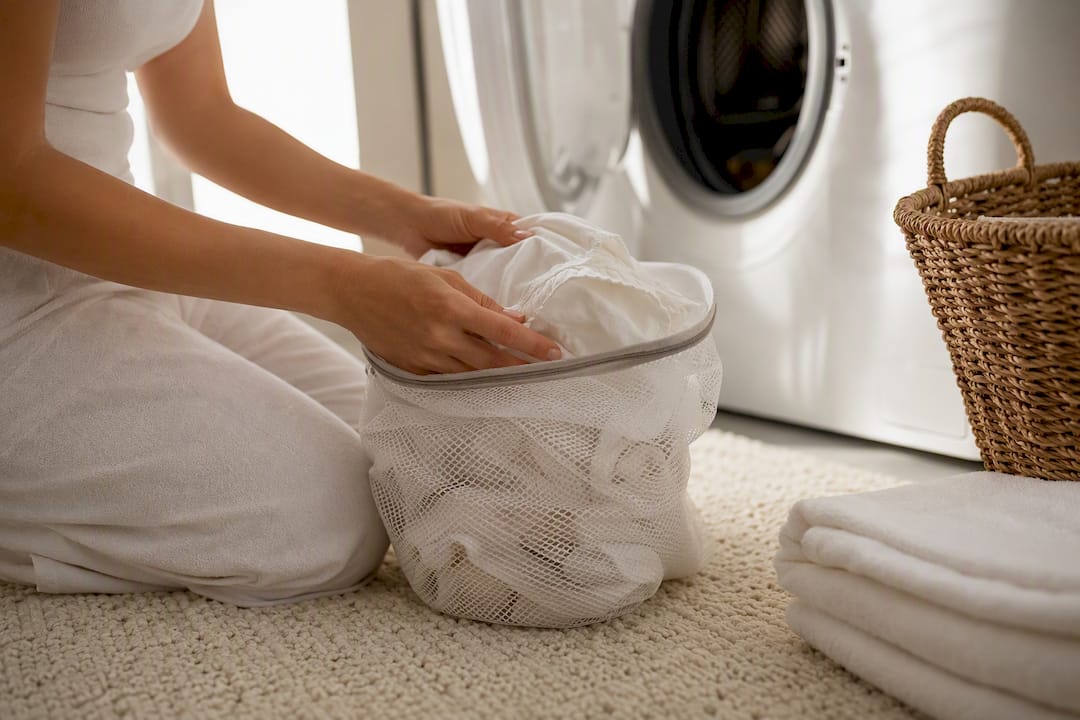
A cold-water wash on a gentle cycle, followed by removing garments while damp and air-drying (or tumbling on low), prevents most cotton shrinkage. This single routine addresses the two forces responsible for nearly all shrinkage: heat and agitation. Untreated 100% cotton can shrink up to 20% under high heat, while preshrunk cotton typically loses only a small percentage.
Follow this checklist every time:
Wash cold, gentle cycle. Skip warm or hot settings entirely.
Remove while damp. Pull garments from the dryer or line before they’re bone dry.
Air-dry or tumble low. Reserve high heat for towels, not cotton knits or wovens.
Key Takeaways
Cotton stays true to size when it avoids heat and heavy agitation, both in the wash and in the dryer.
Point | Details |
Wash cold, gentle cycle | Cold water and a delicate cycle avoid the heat and agitation that cause most shrinkage. |
Know your shrinkage range | Untreated cotton can shrink up to 20%; preshrunk cotton usually shrinks only 1 to 5%. |
Remove while damp | Pulling garments from the dryer before fully dry prevents the most common cause of overdrying damage. |
Try a conditioner soak for minor shrinkage | A lukewarm soak with hair conditioner can relax fibers enough for gentle reshaping. |
Choose travel-ready cotton | Adeirlina’s matching sets use lightweight, breathable cotton with an adjustable fit designed to hold up through a simple cold-wash, air-dry routine. |
Table of Contents
How to Prevent Cotton Shrinkage by Understanding What Causes It
Cotton fibers hold tension from the manufacturing process. Water softens and swells those fibers, releasing that built-in tension, which is why a garment often shrinks slightly the very first time it gets wet. That initial change is called relaxation shrinkage, and it happens regardless of how careful you are.
Heat and tumbling cause a second, more damaging kind: progressive shrinkage. Every hot wash or high-heat dry cycle after that first one continues to tighten the fiber structure a little more. Manufacturers at Maytag confirm that heat and mechanical action are the primary drivers of cotton shrinkage, more so than the water itself.
Cold water washing and air drying minimize shrinkage risk because the fibers never reach the temperature threshold where they contract and lock into a smaller shape.
Agitation compounds the effect. Every spin cycle rubs fibers against each other, and repeated friction over months of laundering slowly tightens the weave.
What to Check Before You Wash Cotton
The care label always wins. If it says “hand wash” or “dry clean only,” that instruction exists because something about the garment (a delicate trim, a loose knit, an unlined seam) makes it more vulnerable than standard cotton. Martha Stewart’s laundry guidance points to ignored care labels as one of the most common, most avoidable causes of shrinkage.
Beyond the label, a few habits matter:
Sort lightweight cottons away from heavy items like jeans or towels; the extra weight increases agitation.
Spot-clean small stains by hand instead of running a full cycle for one mark.
Pre-wash new cotton pieces once, using the same settings you’ll use going forward, especially if you plan to machine-dry them regularly.
Pro Tip: Pre-washing a new cotton piece before its first real wear lets any first-wash shrinkage happen on your terms, not the night before a trip.
What Washing Method Actually Stops Cotton From Shrinking
Machine settings matter as much as detergent choice. Here’s the sequence that protects fiber structure:
Set the machine to cold or cool water.
Select the delicate or gentle cycle.
Choose a low or short spin to reduce mechanical stress.
Hand-washing works even better for pieces you want to protect long-term. Soak briefly in cool water, gently squeeze (never wring), then press out excess moisture with a towel.
Detergent choice plays a quiet but real role:
Use a mild detergent formulated for delicates.
Skip bleach and harsh boosters, which weaken fiber structure over time.
Measure carefully. Too much detergent leaves residue that stiffens cotton fibers and changes how the fabric drapes.
Whirlpool’s laundry team notes that cold water alone dramatically reduces shrinkage, and modern detergents clean just as effectively at lower temperatures.
Pro Tip: Slip lightweight or ribbed cotton knits into a mesh laundry bag before washing. It cuts down the mechanical stress that causes pilling and stretch distortion, not just shrinkage.
Should You Air-Dry or Tumble Dry Cotton?
Air drying is the safest option, full stop. Hang wovens like tees and button-downs on a hanger or clip; lay knits flat so their own weight doesn’t stretch them out of shape while wet.
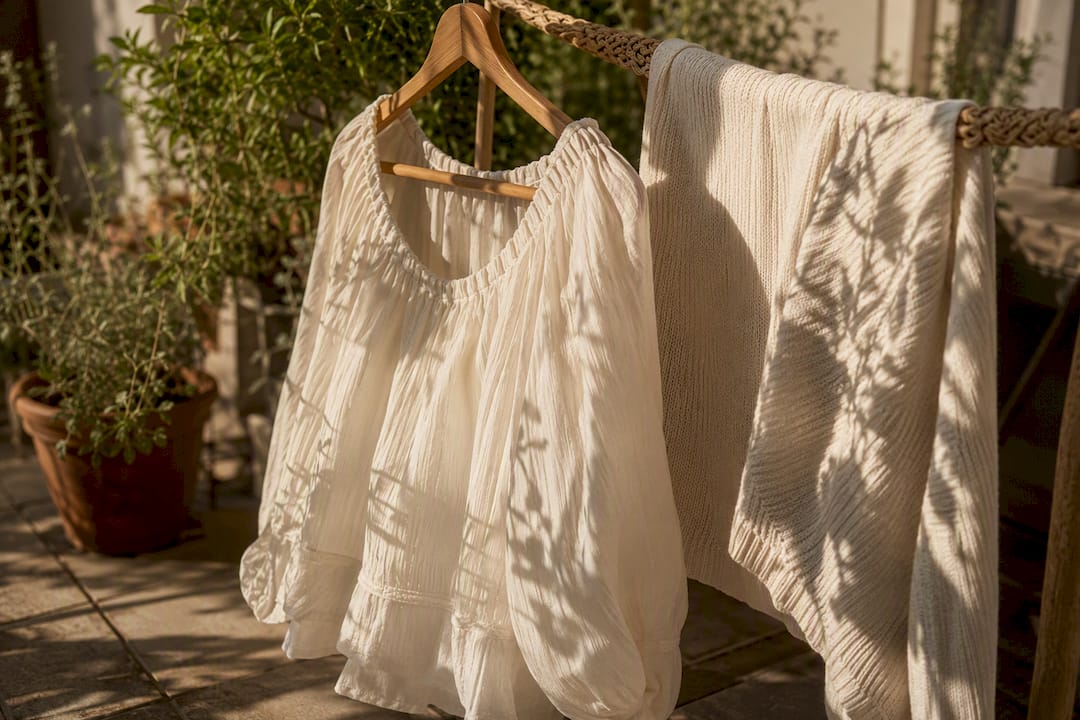
If you need the dryer, use the no-heat or air-only setting, or the lowest heat option your machine offers. Pull garments out while they’re still slightly damp and let them finish drying on a hanger or flat surface.
Overdrying is where most damage happens. Long cycles on high heat cause fibers to contract past the point of recovery, and Maytag identifies this as the most overlooked cause of shrinkage in home laundry.
A useful test: if you can no longer press a cool spot into the fabric with your palm, it’s dry enough to remove.
Check knits and t-shirts at the 15 to 20 minute mark on low heat.
Heavier woven pieces may need slightly longer, but check often rather than running a full standard cycle.
Pro Tip: Set a timer for the low end of your dryer’s cycle and check the garment early. It’s easier to run a few more minutes than to reverse overdrying damage.
How Much Should Cotton Actually Shrink?
Not all shrinkage means something went wrong. Untreated cotton can shrink as much as 20% under high heat and heavy agitation, while preshrunk fabric usually settles around 1 to 5%.
The gap comes down to finishing. Sanforization, a mechanical preshrinking process, and mercerization, which swells fibers to reduce future relaxation, both make finished garments far more dimensionally stable, according to fabric-industry research.
1 to 5% change: normal residual shrinkage in preshrunk or blended cotton.
5 to 10% change: likely a hot wash or high-heat dry cycle.
Up to 20% change: untreated cotton exposed to repeated heat and agitation.
Garment weight and knit structure also shift these numbers. A tightly woven poplin behaves differently than a loose jersey knit, even from the same cotton fiber.
Can You Fix Cotton That Already Shrank?
Minor, recent shrinkage often responds well to a gentle rescue. Older, repeated shrinkage from months of hot washes is harder to reverse and sometimes permanent.
Fill a basin with lukewarm water and add roughly one third cup of hair conditioner or a splash of mild baby shampoo.
Submerge the garment and let it soak for 20 to 30 minutes so the fibers relax.
Gently stretch the fabric back toward its original dimensions while it’s still wet.
Lay it flat on a towel to air dry, reshaping as needed until fully dry.
CNET’s testing found this conditioner soak works because cationic surfactants temporarily lubricate cotton fibers, making them pliable enough to stretch.
Avoid these while attempting a fix:
No hot water at any stage of the rescue.
No wringing or aggressive twisting, which stresses already-strained fibers.
No repeat hot-dry cycles afterward, which undoes the recovery.
Expect to recover some, not all, of the lost size if the garment has already been through multiple hot cycles.
Small Habits That Prevent Cotton Shrinkage Long-Term
The details that matter most are often the ones people skip:
Pull garments from the dryer while still damp, every time, not just when you remember.
Use dryer balls to reduce drying time and tumbling.
Store cotton pieces in a low-humidity space to help them hold their shape between wears.
The mistakes that undo good intentions are just as consistent:
Washing lightweight cotton with heavy denim or towels.
Defaulting to high spin speeds out of habit.
Skipping the care label because “it’s just a cotton shirt.”
None of these habits demand extra time. They just require doing the low-effort thing instead of the default thing, wash after wash.
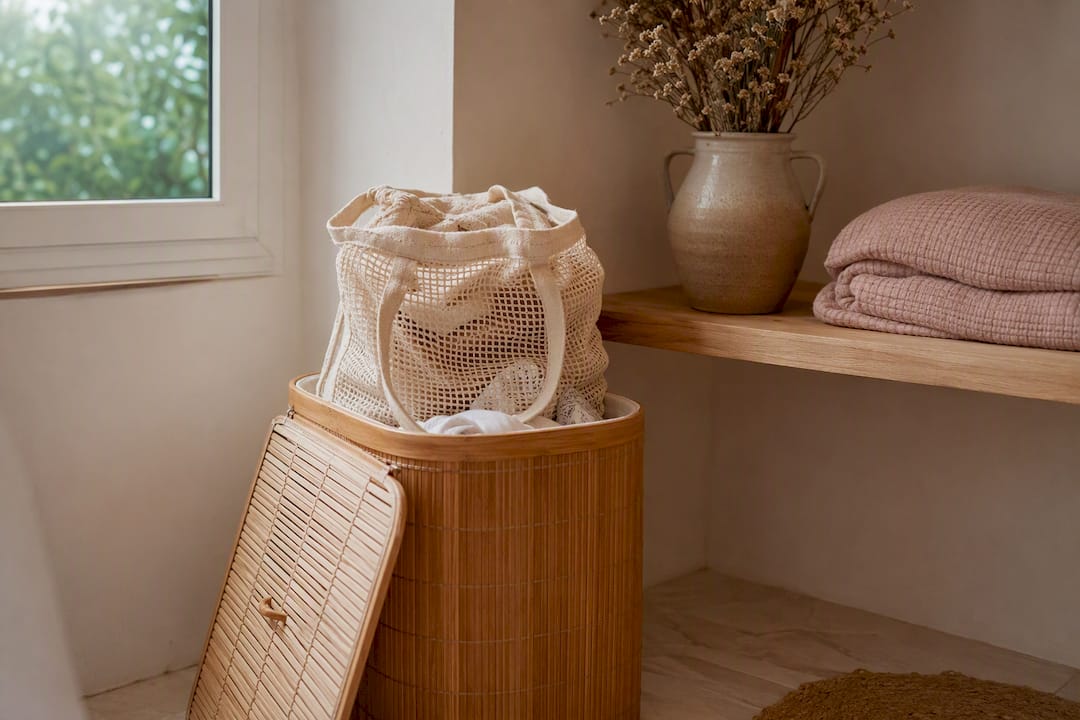
Pro Tip: Keep one dedicated mesh bag by the hamper for your lightest cotton pieces. Making the gentle option the easy option is what actually changes behavior over time.
How Adeirlina Designs Cotton to Stay True to Size
Adeirlina builds its matching sets and dresses from lightweight, breathable 100% cotton chosen specifically for how it travels and wears, not just how it photographs. The adjustable, stretchy fit built into each piece is designed to hold its shape through the exact routine outlined above: cold wash, gentle cycle, damp removal, air finish.
That care routine matters even more for pieces with adjustable straps or ties, since those details depend on consistent fabric dimensions to sit the way they were designed to. A quick refresh between wears, then a flat fold into a suitcase, keeps a set ready for whatever the itinerary holds. Adeirlina’s guide to styling cotton dresses for travel covers packing details worth pairing with this care routine.
The Matching Set Built for Every Hour of a Vacation
A great vacation set does not require reinventing your wardrobe. Adeirlina’s matching sets are built from soft, breathable cotton with an adjustable, stretchy fit that moves from a morning market stroll into golden-hour photos without a single outfit change.
The same set that looks effortless wandering cobblestone streets folds down small enough to pack alongside three other outfits. It softens for an afternoon nap, then dresses up with the right sandals and lip color for a sunset dinner or a night of dancing.
[

This is the piece that went viral on Instagram for exactly that reason. Travelers, influencers, and a growing list of celebrities have worn it from Santorini to Tulum, and it now comes in a wide range of colors so there is a shade for every destination, mood, and occasion.
The Camellia White Crop-top is a favorite starting point for a capsule vacation wardrobe, and the Carnival Crop-top brings the same fit in a bolder palette for evening plans. Both are made to hold their shape wash after wash when you follow a cold, gentle care routine. Browse the current colorways and find your next trip’s go-to set today.
Sources
Recommended